Source Flood Control Water Absorbing Bag for Flood Prevention, Water Blocking, and Barrier Dam
Find and compare 30 flood control water absorbing bag options from China. Evaluate materials like non-woven fabric and canvas, check expansion times, and review specifications for flood prevention and water blocking applications.
Key considerations
Products List


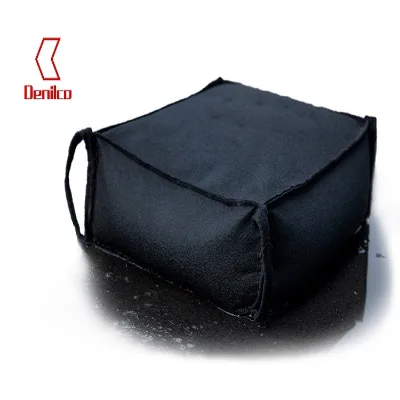
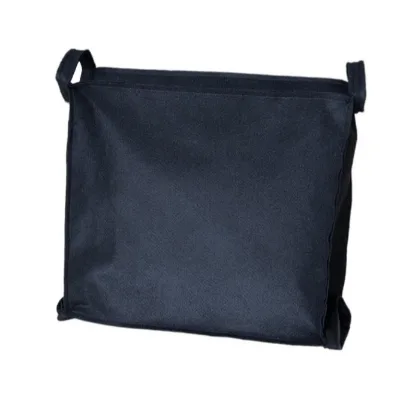


Comprehensive Sourcing Guide
Flood Control Water Absorbing Bag Sourcing Guide
Procuring flood control water absorbing bags requires a shift from traditional sandbag logistics to modern, lightweight polymer-based solutions. These products, often referred to as sandless sandbags or absorbent expansion bags, utilize superabsorbent polymers (SAP) to swell upon contact with water, creating an effective barrier against flooding. For procurement professionals, the primary value proposition lies in the drastic reduction in storage volume and transport weight prior to deployment. Unlike conventional sandbags that require heavy machinery for filling and placement, these bags can be stored compactly and deployed by a single individual, significantly lowering labor costs during emergency response scenarios.
The market for these items is diverse, ranging from industrial-grade flood prevention barriers to smaller-scale water blocking applications. Buyers must navigate a landscape where product names vary widely, including terms like "flood sandbags," "eco-friendly flood control bags," and "self-suction bags." This terminology variance necessitates a rigorous verification process to ensure that the specific technical attributes of the ordered product match the operational requirements of the intended use case. Understanding the distinction between non-woven fabric constructions and canvas reinforcements is critical, as material choice directly impacts durability, absorption speed, and long-term shelf life.
Product Scope and Observed Listing Signals
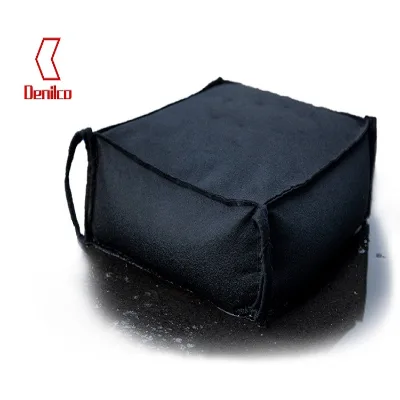
The current market offers a variety of configurations for flood control water absorbing bags, with observed listings indicating a wide range of specifications. Products are available in multiple standard sizes, including dimensions such as 20x50cm, 25x50cm, 40x60cm, and larger formats like 60x40x20cm. Some suppliers offer customized sizes to meet specific barrier requirements, while others stick to standardized models like FN001 or YJ-033. The observed minimum order quantities (MOQ) vary significantly, ranging from small batches of 2 to 50 pieces up to larger industrial orders of 1000 units, allowing for flexibility in both emergency stockpiling and large-scale infrastructure projects.
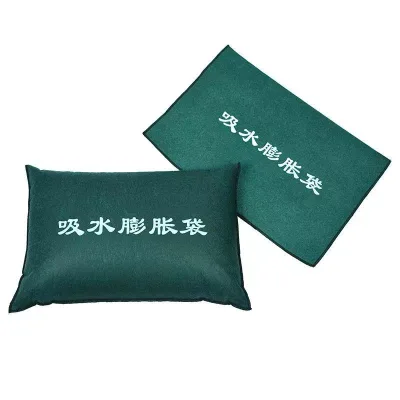
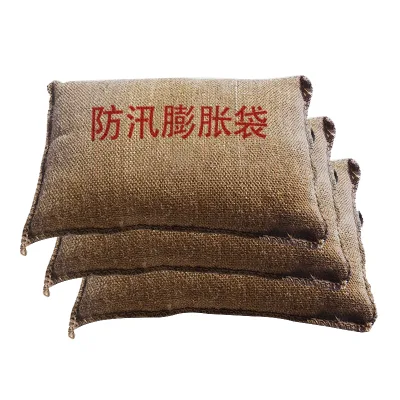
Material composition is a key differentiator among suppliers, with observed products utilizing non-woven fabric, canvas, or a combination of linen and non-woven materials. The internal core typically contains superabsorbent resin, with some specifications noting a sap weight of more than 150 grams within a total product weight of approximately 250 grams. Expansion times are generally cited between 3 to 5 minutes, a critical factor for rapid deployment during active flood events. Buyers should note that while many products are described as eco-friendly, the specific environmental impact and biodegradability of the polymer components should be verified through direct supplier inquiry rather than assumed from marketing labels.
Technical Specifications to Verify
When evaluating technical specifications, the expansion rate and final barrier integrity are paramount. Buyers must verify the exact expansion time, which typically ranges from 3 to 5 minutes depending on water temperature and salinity. It is essential to confirm the final dimensions of the expanded bag, as this determines the footprint and stacking stability of the flood barrier. Some products are designed for specific uses, such as aquatic environments or professional equipment applications, which may require different absorption rates or structural reinforcements. The color of the bags, often dark green or black, may also be a consideration for visibility or camouflage requirements in specific operational contexts.
The structural integrity of the bag material must be assessed to ensure it can withstand the pressure of the absorbed water without rupturing. Non-woven fabrics offer quick absorption but may lack the tensile strength of canvas or reinforced linen blends. Procurement teams should request detailed specifications regarding the weight of the superabsorbent polymer (SAP) contained within each unit, as this directly correlates to the water-holding capacity and the resulting weight of the deployed barrier. Additionally, the shelf life of the dry product is a crucial logistical factor; observed listings indicate a shelf life of up to 6 years, but this should be confirmed for each specific batch to ensure long-term storage viability without degradation of the absorbent properties.
Compliance and Safety Documentation
Compliance and safety documentation are essential for ensuring that flood control bags meet regulatory standards and do not pose environmental hazards. Buyers should request certification documents, such as CE marking, which indicates conformity with health, safety, and environmental protection standards for products sold within the European Economic Area. While CE certification is observed in some listings, it is not universal across all suppliers, and buyers must verify the validity and scope of any certifications provided. It is also important to inquire about any relevant industrial use certifications, particularly if the bags are intended for use in regulated infrastructure or municipal flood management systems.
Environmental safety is another critical aspect of compliance, especially given the increasing focus on sustainable materials in procurement. Buyers should ask for Material Safety Data Sheets (MSDS) or equivalent documentation to understand the chemical composition of the superabsorbent polymers used. While some products are marketed as eco-friendly, the specific biodegradability or disposal requirements of the expanded bags should be clarified. Procurement teams must ensure that the disposal of used flood control bags aligns with local waste management regulations, particularly if the bags contain synthetic polymers that do not break down easily in natural environments.
Cost Drivers and Commercial Terms
The cost of flood control water absorbing bags is influenced by several factors, including material composition, size, and order volume. Observed price ranges vary, with some products listed at lower price points for basic non-woven options and higher prices for reinforced canvas or customized solutions. The minimum order quantity (MOQ) plays a significant role in pricing, with bulk orders often benefiting from economies of scale. Buyers should also consider the packaging method, as products may be packed in cartons, woven bags, or standard packaging, which can affect shipping costs and storage efficiency.
Commercial terms such as delivery lead times and stock availability are critical for emergency procurement scenarios. Some suppliers offer products that are in stock, allowing for immediate dispatch, while others may have longer lead times for customized orders. Buyers should clarify whether the quoted prices include packaging and shipping costs, as these can vary significantly based on the destination and the weight of the shipment. Additionally, it is important to understand the payment terms and any potential tariffs or import duties that may apply, especially when sourcing from international suppliers. Clear communication regarding these commercial terms helps avoid unexpected costs and ensures that the procurement process aligns with budgetary constraints.
Supplier Qualification and Quality Control
Supplier qualification is a vital step in ensuring the reliability and consistency of flood control water absorbing bags. Buyers should verify the supplier's manufacturing capabilities, including their production capacity and quality control processes. Suppliers located in regions known for textile and polymer manufacturing, such as Shandong Dezhou in China, may offer competitive advantages in terms of cost and expertise. However, buyers must conduct due diligence to ensure that the supplier adheres to consistent quality standards, particularly regarding the weight and distribution of the superabsorbent polymer within each bag.
Quality control measures should include random sampling and testing of products to verify expansion rates, material strength, and overall durability. Buyers should request samples before placing large orders to assess the product's performance in real-world conditions. It is also important to establish clear communication channels with the supplier for addressing any quality issues or discrepancies. Suppliers that offer customization services, such as tailored sizes or branding, should be evaluated on their ability to maintain quality while meeting specific requirements. Establishing a strong relationship with a qualified supplier can lead to better pricing, improved service, and greater reliability in future procurement cycles.
Long-Term Procurement Checks
Long-term procurement checks involve monitoring the performance and reliability of flood control water absorbing bags over time. Buyers should track the shelf life of stored products to ensure that they remain effective until needed. Regular inspections of stored inventory can help identify any signs of degradation, such as moisture damage or packaging failure, which could compromise the product's performance. Additionally, buyers should stay informed about advancements in polymer technology and material science that may lead to improved products with faster expansion rates or greater durability.
Feedback from end-users and operational teams is invaluable for assessing the practical effectiveness of the procured products. Buyers should gather insights on how the bags perform during actual flood events, including ease of deployment, stability, and overall barrier effectiveness. This feedback can inform future purchasing decisions and help identify areas for improvement in product specifications or supplier selection. By maintaining a proactive approach to long-term procurement checks, organizations can ensure that their flood control strategies remain effective and cost-efficient, adapting to changing environmental conditions and operational needs.
FAQs
How long does the flood control bag take to expand?
The bag expands within 3 to 5 minutes after contact with water. This rapid absorption allows for quick deployment during emergency flood situations without requiring complex setup procedures.
What is the total weight of the sandless sandbag?
The total weight of the product is 250 grams. This lightweight design facilitates easy transport and handling by a single person during installation or relocation of flood barriers.
Which materials are used to construct the flood bag?
The bag is constructed from non-woven fabric, canvas, and water-absorbent resin. These materials ensure durability while providing the necessary capacity to absorb water and expand effectively.
Can I order custom sizes for the flood control bag?
Yes, custom sizes are accepted for this product. Buyers can request specific dimensions to fit unique barrier requirements rather than being limited to standard sizes like 60 by 40 centimeters.
How long is the shelf life of the water absorbing bag?
The product has a shelf life of 6 years when stored properly. This long duration ensures the bags remain effective and ready for use during unexpected flood events years after purchase.
What certifications does the flood control bag hold?
The product holds CE certification. This indicates compliance with specific safety and quality standards required for products sold within certain international markets and regulatory frameworks.
Where is the flood control bag manufactured?
The product originates from China, specifically Shandong Dezhou. This location serves as the primary production hub for these water-absorbing expansion bags and related flood prevention equipment.